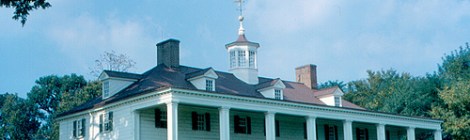
Mount Vernon
George Washington’s plantation home is still around, and it’s still presenting a somewhat airbrushed image of the man.
George Washington’s plantation home is still around, and it’s still presenting a somewhat airbrushed image of the man.
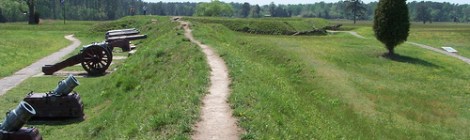
Alexander Hamilton’s storming of Redoubt #10 was only a small part of a battle that, over the course of nearly three weeks, had relatively little to do with storming barricades and lots to do with big cannons blasting away at each other.
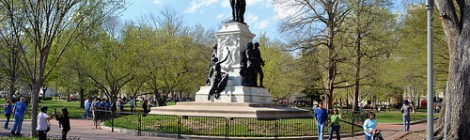
If you’re visiting Washington, DC and find yourself standing at the southern edge of Lafayette Square, chances are you’re there to get a view of the White House. But take a few minutes to look around and you’ll also see the park contains some fascinating statuary. There are some great stories behind those statues.
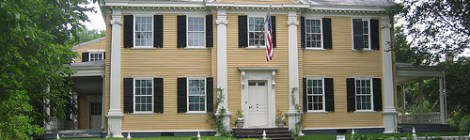
It’s hard to overstate how much difference a good interpretive guide can make to your experience of a historic monument. I’ve had visits to great monuments spoiled by poor interpreters and visits to less well-known sites really brought alive by inspired historical interpretation. Longfellow House is a happy example of the latter category.
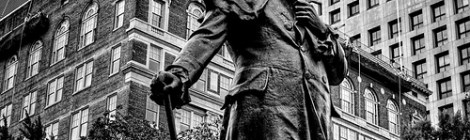
In Philadelphia’s historic district, just south of the Second Bank of the United States, stands a statue to Robert Morris, someone most of that city’s current residents will never have heard of. But Morris was a very important man in the country’s early history. If Robert Morris had had his way, the nation’s capital today wouldn’t be in Washington, DC. It would be in Philadelphia.
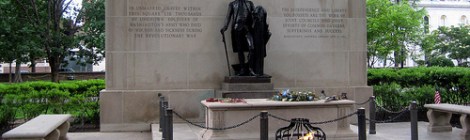
One of the less well-advertised walking tours available at Independence National Historical Park takes visitors to a section of Philadelphia’s Old City loved by local residents but usually overlooked by visitors on their way to see Independence Hall or the Liberty Bell. This is a Philadelphia city park, just yards away from these more famous sites, that combines a quiet, shady respite from city hustle with an intriguing historical monument to the dead of the Revolutionary War.
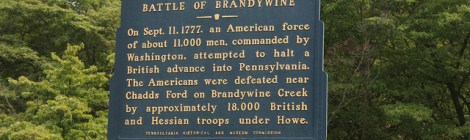
Long before the World Trade Center attacks, September 11 was a black day in U.S. history for another reason. This was the day in 1777 that saw the defeat of Washington’s Continental Army at the Battle of Brandywine, and a victory for British commander-in-chief General William Howe. This clash, followed by the inconclusive battle of Germantown, led to the capture of Philadelphia a few days later
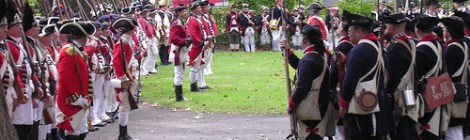
This day in 1777 saw the Battle of Germantown, where an attempt by Gen. George Washington to attack and defeat the British army invading Philadelphia was defeated and repulsed. It’s a bit difficult memorializing this particular battle.
 Dougie Does Monuments