Robert Morris and the nation’s capital

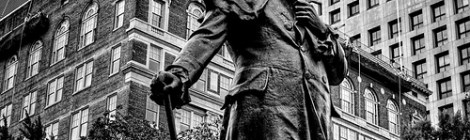
In Philadelphia’s historic district, just south of the Second Bank of the United States, stands a statue to Robert Morris, someone most of that city’s current residents will never have heard of. But Morris was a very important man in the country’s early history. If Robert Morris had had his way, the nation’s capital today wouldn’t be in Washington, DC. It would be in Philadelphia.

Read Article →

Greensboro Lunch Counter

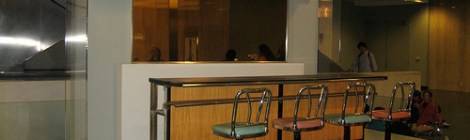
Lunch counters seem like a quaint piece of early 20th century Americana, and I have long loved them for that. But as with so much of the iconography of Americana, the ugly shadow of racism has tainted our memory of lunch counters and their place in the culture. And when I say lunch counters, I’m really thinking about one lunch counter in particular: the one that once stood in the Woolworth store in Greensboro, North Carolina.

Read Article →

Washington Square

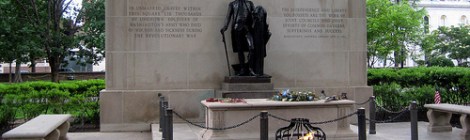
One of the less well-advertised walking tours available at Independence National Historical Park takes visitors to a section of Philadelphia’s Old City loved by local residents but usually overlooked by visitors on their way to see Independence Hall or the Liberty Bell. This is a Philadelphia city park, just yards away from these more famous sites, that combines a quiet, shady respite from city hustle with an intriguing historical monument to the dead of the Revolutionary War.

Read Article →

Fort Sumter and Drayton Hall

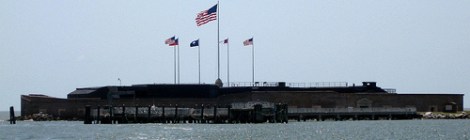
Fort Sumter in South Carolina is a good example of how times change in historical commemoration. Just as surely as the Confederate bombardment of the Union fort marked the start of that war on April 12, 1861, the calendar marked Sumter’s position at the leading edge of profound changes in Civil War centennial commemorations between 1961 and the sesquicentennial in 2011.

Read Article →